






Data-driven solutions for Retail Industry
Our analytics enable better sales planning, effective inventory management, and more targeted marketing activities
Let’s talk
Zaufali nam:











The biggest challenges facing retail
in the data era
The dynamically changing market requires retail companies to have full control over data and processes. Inconsistency, slow information flow, and unpreparedness for innovation result in a loss of competitive advantage.

Data and process silos
Data scattered across multiple systems makes it difficult to view the business as a whole. Without consistency, analyses lose their value, and decisions are made based on fragments of information.
Speed of information flow
In retail, response time is crucial. Lack of immediate access to up-to-date data slows down operations and limits the effectiveness of the organization.
Readiness for technological innovation
The retail market requires the implementation of new solutions, from AI and automation to demand forecasting. Companies that do not invest in innovation quickly lose their competitive edge.
Quick and measurable experiments
Testing new business models and campaigns should be simple and data-driven. Without reliable metrics, it is difficult to evaluate the effectiveness of actions and scale them further.
Efficiency in every piece of the puzzle
From logistics to pricing to marketing, every area must operate consistently and based on data. Lack of integration reduces margins and lengthens processes.
Integration of data from multiple channels and sources
Multi-channel sales generate data that, without a common platform and a unified customer ID, does not create a consistent picture of the consumer.
Let’s talk about your challenges
Free consultationFrom data platforms to GenAI, each level of the foundation supports retail companies in building a data-driven advantage.
The foundations of DataDriven in the retail industry
Data Platform
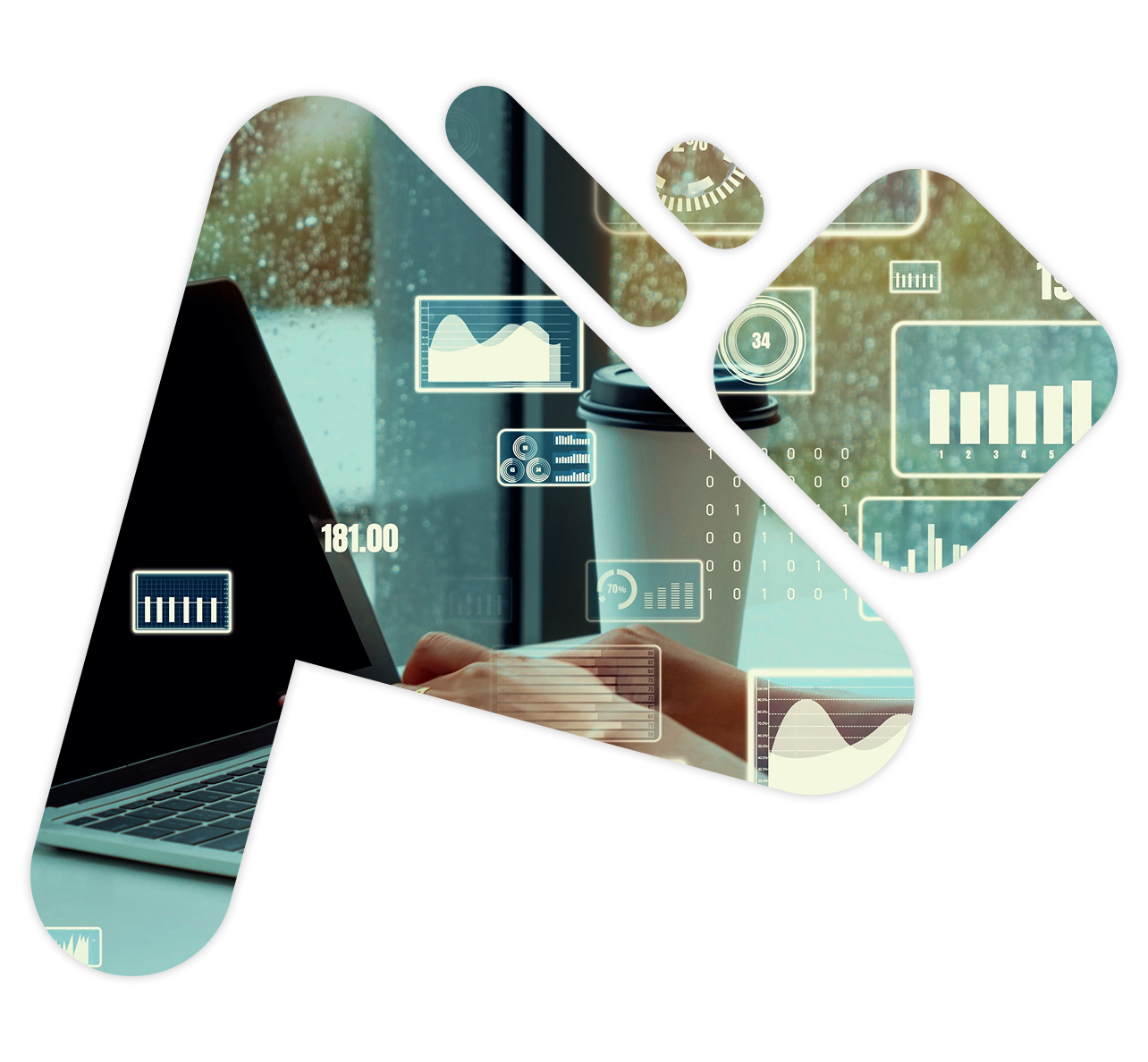
It integrates all sources of information from POS and e-commerce, through CRM, marketplaces, and social media, creating a single, consistent view of the customer and the business. It is fast, scalable, and ready for growth, allowing the organization to operate based on reliable data.
Examples of applications:
▪️ integration of all transaction and interaction sources,
▪️ central customer ID connecting online and offline,
▪️ ability to quickly scale and handle large volumes of data.
The result: a consistent knowledge base that is the foundation for analytics, AI, and business strategy.
Analytics and BI
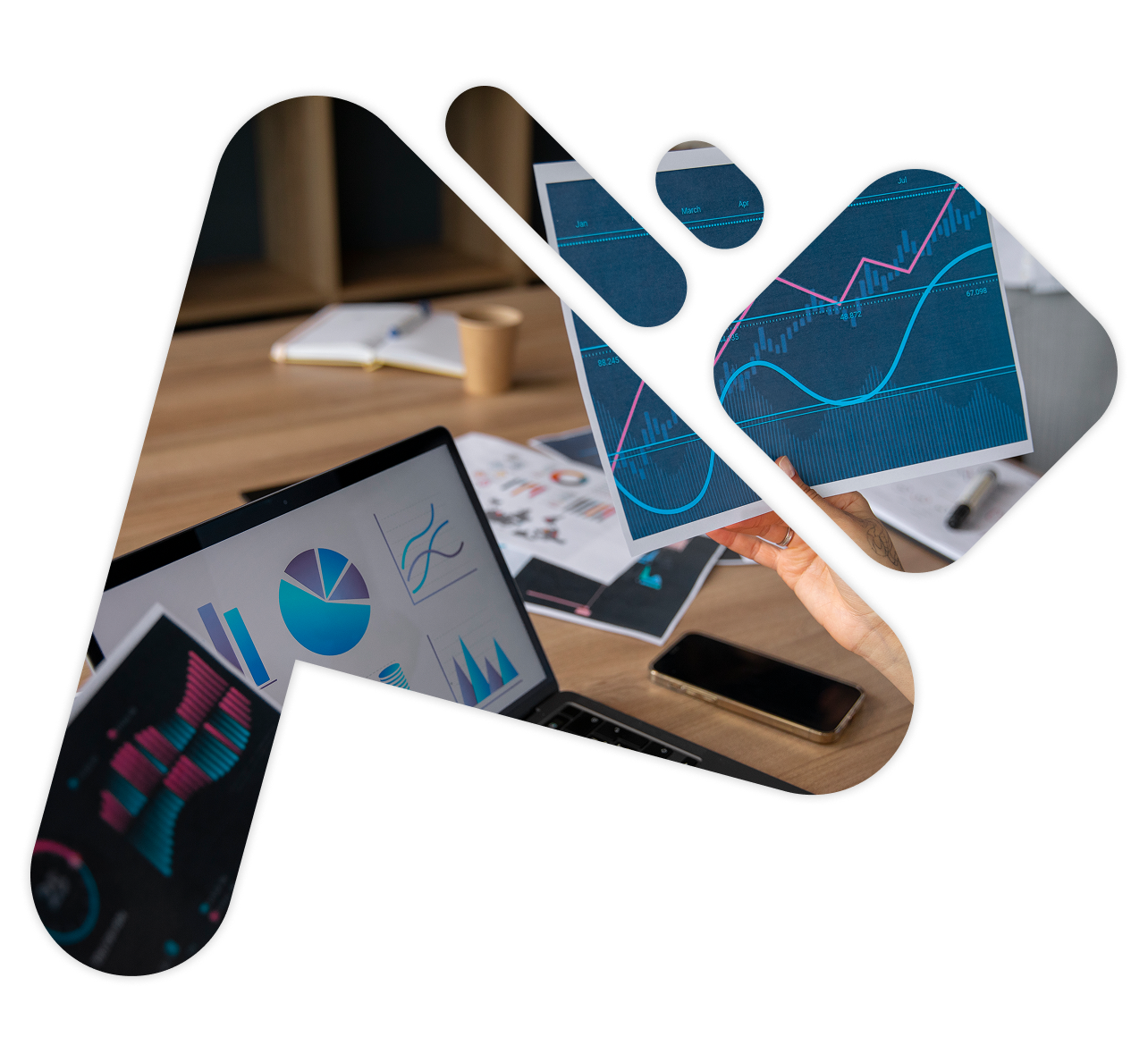
Thanks to consistent reports and indicators, the entire organization gains a single view of the business. Real-time analytics enable forecasting of sales, costs, and margins, which translates into better strategic and operational decisions.
Examples of applications:
▪️ real-time sales reports,
▪️ forecasting margins, costs, and revenues,
▪️ dashboards for various departments, from marketing to logistics.
The result: more accurate decisions made faster and based on reliable data.
Advanced analytics, ML & AI
Machine learning and artificial intelligence support retail companies in forecasting demand, managing inventory, and optimizing pricing in real time. Personalization of offers and automation of decisions increase customer loyalty and protect margins.
Examples of applications:
▪️ inventory forecasting based on weather, trends, and promotions,
▪️ real-time pricing in response to competitor actions,
▪️ personalization of offers based on customer behavior and LTV,
▪️ automatic detection of fraud and returns.
The result: higher margins, lower losses, and a better customer experience.
Data Model and Ontology
The data model and ontology create a common business language that organizes how information is stored and interpreted. This allows different departments and systems to view data in the same way, and AI can use it in a more precise and effective manner.
Examples of applications:
▪️ defining key indicators (e.g., sales, margin, LTV) in a single standard for the entire company,
▪️ organizing and describing data so that BI, ML, and GenAI systems use the same semantics,
▪️ facilitating the integration of new data sources and process automation.
Result: consistent “data truth” within the organization, greater reliability of analyses, and the ability to fully leverage AI for decision-making.
Remember that knowing data trends is an advantage in retail
Consumers expect consistent, tailored experiences that are available across all channels. Understanding trends allows you not only to respond to customer needs, but also to create new standards in the market.

Multi-channel
Customers buy and interact across multiple channels (web, mobile, marketplace, POS, social). If data from these sources is not tied together, you don’t see the full picture of your business and miss out on opportunities to increase sales.

Hyper-personalization
Segmentation is a thing of the past. Consumers expect offers and communication tailored precisely to them, based on their purchase history, behavior, and customer lifetime value (LTV). Without the use of AI and analytics, personalization ends with a name in a newsletter.

Seamless Omnichannel
Online and offline must work together, preferably in real time. In-app promotions should be visible at checkout, and the online shopping cart should be synchronized with the in-store offer. A lack of a seamless experience causes immediate frustration and cart abandonment.

Zero Customer
Today’s customers are not loyal. They easily switch brands and expect immediate responses and inspiration from every channel. Companies that fail to respond to this new behavior model quickly lose their competitive advantage.

See how we turn data into competitive advantage
Let’s talkWe share our
knowledge and experience



Your data holds great potential. Ask us how to make the most of it
Why should choose Alterdata?
We combine expert experience, extensive technical knowledge, and a flexible approach to collaboration to create data solutions that are truly tailored to your organization’s needs.
Comprehensive End-to-End Implementation
We manage the entire process: from consulting and technology selection, through data warehouse construction, to the development, maintenance, and optimization of solutions. This ensures that our clients receive consistent support at every stage of their data-related work, without having to coordinate multiple independent vendors.
Data Expert Team
We bring together the expertise of data engineers, analysts, data scientists, IT architects, and business consultants to address both technological and business needs. Our team helps translate an organization’s goals into concrete solutions that effectively support decision-making and business growth.
Technology Neutrality
We choose tools based on the goal, not the other way around. We work with popular cloud and analytics technologies, including Google Cloud, Azure, AWS, Snowflake, Databricks, Power BI, Tableau, and Looker. Thanks to our extensive knowledge of these tools, we recommend the solutions best suited to the client’s situation, rather than pushing a single technology.
Flexible Model of Collaboration
We offer support exactly when you need it, ranging from individual specialists to a Data Team as a Service model, without the need to build a full in-house team. This allows you to quickly expand your organization’s capabilities and leverage expert knowledge in a way that aligns with your current needs.
Business-Specific Solutions
We design services and architecture tailored to specific requirements, budgets, industries, company sizes, and business objectives. We treat each implementation as a unique case to ensure that the technology supports the processes, workflows, and priorities of the organization in question.
Secure Architecture
We create scalable, secure solutions designed to support organizational growth, handle increasing data volumes, and facilitate migration to modern cloud environments. We ensure access control, stability, and scalability so that the data platform can grow alongside your business.
Tech stack: the foundation of
our work
Discover the tools and technologies that power the solutions created by Alterdata.

Google Cloud Storage enables data storage in the cloud and provides high performance, offering flexible management of large datasets. It ensures easy data access and supports advanced analytics.

Azure Data Lake Storage is a service for storing and analyzing structured and unstructured data in the cloud, created by Microsoft. Data Lake Storage is scalable and supports various data formats.

Amazon S3 is a cloud service for securely storing data with virtually unlimited scalability. It is efficient, ensures consistency, and provides easy access to data.

Databricks is a cloud-based analytics platform that combines data engineering, data analysis, machine learning, and predictive models. It processes large datasets with high efficiency.

Microsoft Fabric is an integrated analytics environment that combines various tools such as Power BI, Data Factory, and Synapse. The platform supports the entire data lifecycle, including integration, processing, analysis, and visualization of results.

Google BigLake is a service that combines the features of both data warehouses and data lakes, making it easier to manage data in various formats and locations. It also allows processing large datasets without the need to move them between systems.

Google Cloud Dataflow is a data processing service based on Apache Beam. It supports distributed data processing in real-time and advanced analytics.

Azure Data Factory is a cloud-based data integration service that automates data flows and orchestrates processing tasks. It enables seamless integration of data from both cloud and on-premises sources for processing within a single environment.

Apache Kafka processes real-time data streams and supports the management of large volumes of data from various sources. It enables the analysis of events immediately after they occur.

Pub/Sub is used for messaging between applications, real-time data stream processing, analysis, and message queue creation. It integrates well with microservices and event-driven architectures (EDA).

Google Cloud Run supports containerized applications in a scalable and automated way, optimizing costs and resources. It allows flexible and efficient management of cloud applications, reducing the workload.

Azure Functions is another serverless solution that runs code in response to events, eliminating the need for server management. Its other advantages include the ability to automate processes and integrate various services.

AWS Lambda is an event-driven, serverless Function as a Service (FaaS) that enables automatic execution of code in response to events. It allows running applications without server infrastructure.

Azure App Service is a cloud platform used for running web and mobile applications. It offers automatic resource scaling and integration with DevOps tools (e.g., GitHub, Azure DevOps).

Snowflake is a platform that enables the storage, processing, and analysis of large datasets in the cloud. It is easily scalable, efficient, and ensures consistency as well as easy access to data.

Amazon Redshift is a cloud data warehouse that enables fast processing and analysis of large datasets. Redshift also offers the creation of complex analyses and real-time data reporting.

BigQuery is a scalable data analysis platform from Google Cloud. It enables fast processing of large datasets, analytics, and advanced reporting. It simplifies data access through integration with various data sources.

Azure Synapse Analytics is a platform that combines data warehousing, big data processing, and real-time analytics. It enables complex analyses on large volumes of data.

Data Build Tool simplifies data transformation and modeling directly in databases. It allows creating complex structures, automating processes, and managing data models in SQL.

Dataform is part of the Google Cloud Platform, automating data transformation in BigQuery using SQL query language. It supports serverless data stream orchestration and enables collaborative work with data.

Pandas is a data structure and analytical tool library in Python. It is useful for data manipulation and analysis. Pandas is used particularly in statistics and machine learning.

PySpark is an API for Apache Spark that allows processing large amounts of data in a distributed environment, in real-time. This tool is easy to use and versatile in its functionality.

Looker Studio is a tool used for exploring and advanced data visualization from various sources, in the form of clear reports, charts, and interactive dashboards. It facilitates data sharing and supports simultaneous collaboration among multiple users, without the need for coding.

Tableau, an application from Salesforce, is a versatile tool for data analysis and visualization, ideal for those seeking intuitive solutions. It is valued for its visualizations of spatial and geographical data, quick trend identification, and data analysis accuracy.

Power BI, Microsoft’s Business Intelligence platform, efficiently transforms large volumes of data into clear, interactive dashboards and accessible reports. It easily integrates with various data sources and monitors KPIs in real-time.
Looker is a cloud-based Business Intelligence and data analytics platform that enables data exploration, sharing, and visualization while supporting decision-making processes. Looker also leverages machine learning to automate processes and generate predictions.

Terraform is an open-source tool that allows for infrastructure management as code, as well as the automatic creation and updating of cloud resources. It supports efficient infrastructure control, minimizes the risk of errors, and ensures transparency and repeatability of processes.

GCP Workflows automates workflows in the cloud and simplifies the management of processes connecting Google Cloud services. This tool saves time by avoiding the duplication of tasks, improves work quality by eliminating errors, and enables efficient resource management.

Apache Airflow manages workflows, enabling scheduling, monitoring, and automation of ETL processes and other analytical tasks. It also provides access to the status of completed and ongoing tasks, as well as insights into their execution logs.

Rundeck is an open-source automation tool that enables scheduling, managing, and executing tasks on servers. It allows for quick response to events and supports the optimization of administrative tasks.

Python is a programming language, also used for machine learning, with libraries dedicated to machine learning (e.g., TensorFlow and scikit-learn). It is used for creating and testing machine learning models.

BigQuery ML allows the creation of machine learning models directly within Google’s data warehouse using only SQL. It provides a fast time-to-market, is cost-effective, and enables rapid iterative work.

R is a programming language primarily used for statistical calculations, data analysis, and visualization, but it also has modules for training and testing machine learning models. It enables rapid prototyping and deployment of machine learning.

Vertex AI is used for deploying, testing, and managing machine learning models. It also includes pre-built models prepared and trained by Google, such as Gemini. Vertex AI also supports custom models from TensorFlow, PyTorch, and other popular frameworks.
FAQ
1. How does Alterdata support retail companies with data analytics?

Alterdata helps retail companies integrate sales, marketing, and operational data from multiple systems and channels, transforming it into actionable business insights.
2. What challenges in the retail industry does Alterdata solve?
Common challenges include fragmented data across physical stores, e-commerce, and POS systems, manual reporting, and inconsistent sales results. Alterdata removes data silos and automates reporting.
3. What data sources does Alterdata integrate for retail projects?
We integrate data from POS systems, e-commerce platforms, ERP, CRM, marketing tools, loyalty programs, and data warehouses, creating a centralized analytics environment.
4. How does Alterdata’s Business Intelligence support retail sales and operations?
We build BI dashboards that track sales, margins, product availability, inventory turnover, and promotion performance—both online and offline.
5. Can Alterdata analyze customer behavior and omnichannel journeys?
Yes. We develop customer journey models that combine online and offline data, helping retailers understand customer behavior, preferences, and omnichannel effectiveness.
6. Are Alterdata solutions scalable for large retail networks?
Absolutely. Our solutions are designed to scale across multiple locations, handle large data volumes, and support complex retail structures.