





Data Architecture Consulting Services
Efficient, scalable data management systems tailored to your goals, company size, and industry specifics.
Let’s talk
We empower leaders:






Benefits of a Modern Data Architecture with ease
A properly designed data architecture means faster and more efficient work for your team.

Scalability and performance
Thanks to the scalability of cloud architecture solutions, it adjusts flexibly to a growing number of users and data. It does not lose performance or processing speed.
Access to the latest technologies
From a list of ready-to-use, proven tools and processes, you choose the ones you need. We build the modern data architecture like building blocks, adding and removing elements whenever the system requires changes.
Security through backups
Automatic backups protect against data loss due to failures or human error. In case of problems, you can easily and quickly regain access to all company resources.
Cost optimization in the cloud
A cloud-based data architecture allows you to pay only for the computing power and disk space you use at a given moment. You don’t need your own on-premise IT infrastructure.
Gain organized and always accessible data
Let’s talkModern Data Architecture that supports
business goals
At Alterdata, we believe that technology is a tool that drives the growth and success of our clients.
Discover our step-by-step process:
Discover business and technological needs together
We analyze data assets from various sources to identify business challenges and set client goals, assess data sources, and evaluate company architecture conditions. Our data engineers propose a system tailored to the organization’s issues and supporting its growth.
Select the platform and cloud tools
We collaborate with leading cloud providers, such as AWS, Google Cloud, and Microsoft Azure. This allows us to choose a platform that meets operational requirements, is scalable, and stays within budget.
Design the architecture and model the data
Our data engineers create a system that meets previously identified needs by designing scalable and agile data architecture. Thanks to our expertise, you can be confident that your data architecture will be stable, efficient, and ready to support dynamic business growth.
Integrate the data and ensure its highest quality
We implement the new architecture and migrate your data and company systems to the cloud. Transitioning from legacy systems to modern data architectures is crucial to ensure data compatibility and integrity throughout the migration process. We do it quickly, ensuring minimal downtime.
Support and optimize
We provide comprehensive support so that your data architecture operates smoothly and effectively supports your business operations. Data governance is crucial in managing data quality, security, and compliance with regulations such as GDPR and HIPAA. We monitor performance, optimize costs, and introduce improvements.

Client Success Stories
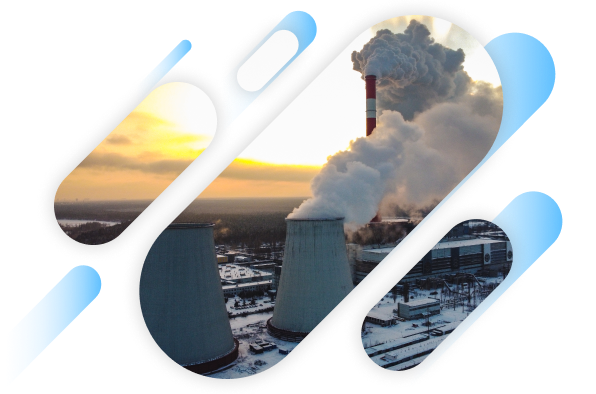
We helped Celsium build a data warehouse that reduced costs by PLN 180,000 per year
We integrated data from meters, SCADA, billing, and weather systems into a single data warehouse on Google Cloud Platform. We created advanced ETL processes, data quality control mechanisms, and dashboards in Tableau to support daily analysis of heat production and consumption.
The result? Meter failures detected in one day (previously one month), operational data updated three times a day, and significant savings thanks to heat source optimization and better demand balancing.
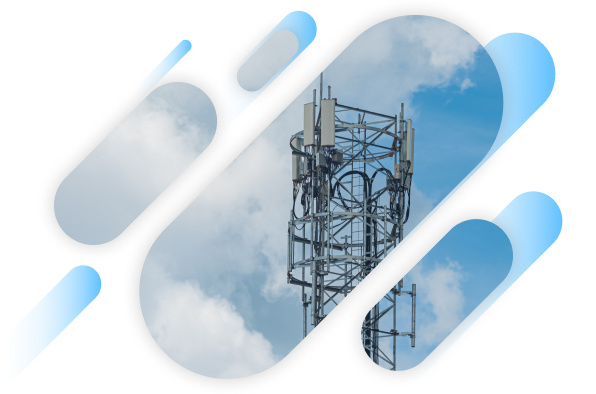
We built a modern data warehouse in GCP for PŚO
We helped Polski Światłowód Otwarty design and implement a scalable Data Lake architecture on Google Cloud Platform. We integrated 13 data sources, created automated ELT processes, access security, and a data model that serves as a single source of truth within the organization.
The result? Independence in reporting, rapid integration of new systems, readiness for future needs, and cost savings by eliminating on-premise infrastructure.
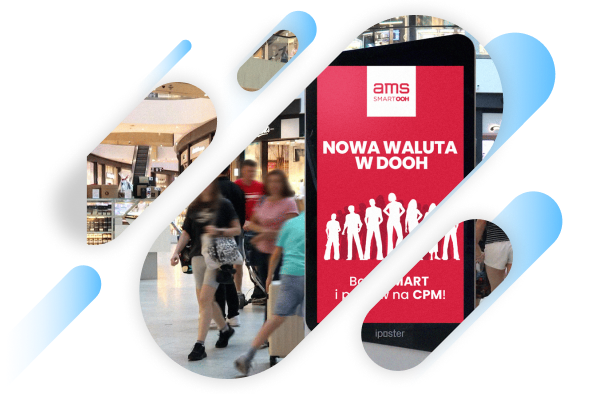
We helped AMS leverage data from DOOH media and maintain its position as a leader in outdoor advertising
We built a modern data ecosystem for AMS, a leader in OOH and DOOH advertising. We combined data from media, internal systems, Proxi.cloud, and CitiesAI to create a unified data warehouse in BigQuery with near real-time analysis.
The result? Data-driven targeting, campaign automation, better results for customers, and a stronger market position thanks to programmatic buying based on actual reach.

We helped Tutlo automate data integration and build a modern real-time ETL
In collaboration with the Tutlo team, we designed and implemented a data integration architecture based on serverless Google Cloud components. The system enables data synchronization from dozens of sources—including CRM—with full monitoring, CI/CD automation, and readiness for further scalability.
The result? A stable and flexible data ecosystem, ready for process automation, ML projects, and dynamic development of the educational platform.

We helped FunCraft forecast ROI and optimize UA budgets in the mobile gaming industry
We implemented a comprehensive BI solution for an American game studio, integrating data from Adjust, stores, and advertising platforms into the BigQuery warehouse. We built advanced dashboards in Looker Studio and predictive ROI models that enable accurate budget decisions—even with a long return on investment cycle.
The result? The FunCraft marketing team works faster, more efficiently, and with full control over their data.
Challenges our Data Architecture Services address

You want to scale your data environment
Data architecture solutions should automatically adjust to changes in data volume and the number of sources.
You need support for migration
You want to transfer data and systems to the cloud quickly and effectively, without unnecessary service interruptions.
You are looking for innovative solutions
You want to be prepared for future challenges and easily add new features to the existing architecture.
You want to optimize costs
You need a solution that allows you to pay only for the resources you use and provides savings for your company.
You require reliable solutions
You expect secure access to your company data and protection against failures and human errors.
You expect quick access to data
Generating and refreshing reports takes too long, leading to delays in key decisions.

Your data holds great potential. Ask us how to make the most of it
Why should choose Alterdata?
We combine expert experience, extensive technical knowledge, and a flexible approach to collaboration to create data solutions that are truly tailored to your organization’s needs.
Comprehensive End-to-End Implementation
We manage the entire process: from consulting and technology selection, through data warehouse construction, to the development, maintenance, and optimization of solutions. This ensures that our clients receive consistent support at every stage of their data-related work, without having to coordinate multiple independent vendors.
Data Expert Team
We bring together the expertise of data engineers, analysts, data scientists, IT architects, and business consultants to address both technological and business needs. Our team helps translate an organization’s goals into concrete solutions that effectively support decision-making and business growth.
Technology Neutrality
We choose tools based on the goal, not the other way around. We work with popular cloud and analytics technologies, including Google Cloud, Azure, AWS, Snowflake, Databricks, Power BI, Tableau, and Looker. Thanks to our extensive knowledge of these tools, we recommend the solutions best suited to the client’s situation, rather than pushing a single technology.
Flexible Model of Collaboration
We offer support exactly when you need it, ranging from individual specialists to a Data Team as a Service model, without the need to build a full in-house team. This allows you to quickly expand your organization’s capabilities and leverage expert knowledge in a way that aligns with your current needs.
Business-Specific Solutions
We design services and architecture tailored to specific requirements, budgets, industries, company sizes, and business objectives. We treat each implementation as a unique case to ensure that the technology supports the processes, workflows, and priorities of the organization in question.
Secure Architecture
We create scalable, secure solutions designed to support organizational growth, handle increasing data volumes, and facilitate migration to modern cloud environments. We ensure access control, stability, and scalability so that the data platform can grow alongside your business.
Tech stack: the foundation of
our work
Discover the tools and technologies that power the solutions created by Alterdata.

Google Cloud Storage enables data storage in the cloud and provides high performance, offering flexible management of large datasets. It ensures easy data access and supports advanced analytics.

Azure Data Lake Storage is a service for storing and analyzing structured and unstructured data in the cloud, created by Microsoft. Data Lake Storage is scalable and supports various data formats.

Amazon S3 is a cloud service for securely storing data with virtually unlimited scalability. It is efficient, ensures consistency, and provides easy access to data.

Databricks is a cloud-based analytics platform that combines data engineering, data analysis, machine learning, and predictive models. It processes large datasets with high efficiency.

Microsoft Fabric is an integrated analytics environment that combines various tools such as Power BI, Data Factory, and Synapse. The platform supports the entire data lifecycle, including integration, processing, analysis, and visualization of results.

Google BigLake is a service that combines the features of both data warehouses and data lakes, making it easier to manage data in various formats and locations. It also allows processing large datasets without the need to move them between systems.

Google Cloud Dataflow is a data processing service based on Apache Beam. It supports distributed data processing in real-time and advanced analytics.

Azure Data Factory is a cloud-based data integration service that automates data flows and orchestrates processing tasks. It enables seamless integration of data from both cloud and on-premises sources for processing within a single environment.

Apache Kafka processes real-time data streams and supports the management of large volumes of data from various sources. It enables the analysis of events immediately after they occur.

Pub/Sub is used for messaging between applications, real-time data stream processing, analysis, and message queue creation. It integrates well with microservices and event-driven architectures (EDA).

Google Cloud Run supports containerized applications in a scalable and automated way, optimizing costs and resources. It allows flexible and efficient management of cloud applications, reducing the workload.

Azure Functions is another serverless solution that runs code in response to events, eliminating the need for server management. Its other advantages include the ability to automate processes and integrate various services.

AWS Lambda is an event-driven, serverless Function as a Service (FaaS) that enables automatic execution of code in response to events. It allows running applications without server infrastructure.

Azure App Service is a cloud platform used for running web and mobile applications. It offers automatic resource scaling and integration with DevOps tools (e.g., GitHub, Azure DevOps).

Snowflake is a platform that enables the storage, processing, and analysis of large datasets in the cloud. It is easily scalable, efficient, and ensures consistency as well as easy access to data.

Amazon Redshift is a cloud data warehouse that enables fast processing and analysis of large datasets. Redshift also offers the creation of complex analyses and real-time data reporting.

BigQuery is a scalable data analysis platform from Google Cloud. It enables fast processing of large datasets, analytics, and advanced reporting. It simplifies data access through integration with various data sources.

Azure Synapse Analytics is a platform that combines data warehousing, big data processing, and real-time analytics. It enables complex analyses on large volumes of data.

Data Build Tool simplifies data transformation and modeling directly in databases. It allows creating complex structures, automating processes, and managing data models in SQL.

Dataform is part of the Google Cloud Platform, automating data transformation in BigQuery using SQL query language. It supports serverless data stream orchestration and enables collaborative work with data.

Pandas is a data structure and analytical tool library in Python. It is useful for data manipulation and analysis. Pandas is used particularly in statistics and machine learning.

PySpark is an API for Apache Spark that allows processing large amounts of data in a distributed environment, in real-time. This tool is easy to use and versatile in its functionality.

Looker Studio is a tool used for exploring and advanced data visualization from various sources, in the form of clear reports, charts, and interactive dashboards. It facilitates data sharing and supports simultaneous collaboration among multiple users, without the need for coding.

Tableau, an application from Salesforce, is a versatile tool for data analysis and visualization, ideal for those seeking intuitive solutions. It is valued for its visualizations of spatial and geographical data, quick trend identification, and data analysis accuracy.

Power BI, Microsoft’s Business Intelligence platform, efficiently transforms large volumes of data into clear, interactive dashboards and accessible reports. It easily integrates with various data sources and monitors KPIs in real-time.
Looker is a cloud-based Business Intelligence and data analytics platform that enables data exploration, sharing, and visualization while supporting decision-making processes. Looker also leverages machine learning to automate processes and generate predictions.

Terraform is an open-source tool that allows for infrastructure management as code, as well as the automatic creation and updating of cloud resources. It supports efficient infrastructure control, minimizes the risk of errors, and ensures transparency and repeatability of processes.

GCP Workflows automates workflows in the cloud and simplifies the management of processes connecting Google Cloud services. This tool saves time by avoiding the duplication of tasks, improves work quality by eliminating errors, and enables efficient resource management.

Apache Airflow manages workflows, enabling scheduling, monitoring, and automation of ETL processes and other analytical tasks. It also provides access to the status of completed and ongoing tasks, as well as insights into their execution logs.

Rundeck is an open-source automation tool that enables scheduling, managing, and executing tasks on servers. It allows for quick response to events and supports the optimization of administrative tasks.

Python is a programming language, also used for machine learning, with libraries dedicated to machine learning (e.g., TensorFlow and scikit-learn). It is used for creating and testing machine learning models.

BigQuery ML allows the creation of machine learning models directly within Google’s data warehouse using only SQL. It provides a fast time-to-market, is cost-effective, and enables rapid iterative work.

R is a programming language primarily used for statistical calculations, data analysis, and visualization, but it also has modules for training and testing machine learning models. It enables rapid prototyping and deployment of machine learning.

Vertex AI is used for deploying, testing, and managing machine learning models. It also includes pre-built models prepared and trained by Google, such as Gemini. Vertex AI also supports custom models from TensorFlow, PyTorch, and other popular frameworks.
FAQ
How will I be able to measure the effects of the new data architecture?

You can measure the effects of implementing a new data architecture by Alterdata using KPIs such as increased data availability, reduced data processing time, and improved data consistency and quality. You will also see faster execution of analytical queries and greater efficiency in data management across your organization.
Is the data architecture implemented by Alterdata scalable?
Yes. We focus on scalable solutions based on cloud platforms, which allow you to easily increase performance as the volume of data and queries grows. This enables you to flexibly adapt the system to your company’s current needs and pay only for the resources you actually use.
What technologies will I need?
We select big data technologies perfectly suited to your specific case—optimal in terms of cost, performance, and compatibility with your requirements, including your existing infrastructure. In most cases, we recommend cloud technologies, which better meet the needs of modern analytical solutions compared to traditional on-premise systems. The cloud offers greater flexibility, scalability, and faster implementation, leading to improved efficiency and easier data management.
Will the cloud not be too costly for my needs?
The cloud is a scalable solution that can be more cost-effective than traditional systems—primarily due to the ability to select the scope currently needed for computations and tasks related to data storage or processing. Our team will advise the optimal approach for your company. What sets Alterdata apart is that a personalized offer also includes an estimate of the maintenance costs for such a solution.
How long will it take to design and implement the new data architecture?
The implementation time depends on the complexity of the project. Typically, designing and implementing a data architecture takes from a few weeks to several months. Together, we will define a realistic timeline.
Is the company technologically objective and will it consider our technology preferences?
Alterdata is technologically independent. Our recommendations are always based on your preferences and the best solutions available on the market, ensuring optimal effectiveness and compliance with your requirements. We partner with many technology providers, but we do not sell their products. This gives us maximum objectivity in selecting the most suitable technology to solve your problem.