






Your dedicated Data Team
Get expert support for data warehouse maintenance, cloud cost optimization, system integration, and monitoring of AI, LLM, and machine learning models.
Request support
We empower leaders:








Take your company’s data usage
to the next level
At Alterdata we provide support at the level of database administration, data integration and warehouse management.

Reducing infrastructure costs
We optimize SQL queries, automate ETL, and eliminate unnecessary data processing. This allows us to reduce cloud costs by up to 30%, reduce the burden on IT resources, and accelerate analyses without the need to expand infrastructure.
Access to advanced skills
We provide access to analytics, data engineering and AI specialists, eliminating the need to build an internal team. This allows your organization to benefit from best practices without the long recruitment and training process.
Future-proof solutions
Our experts design, modernize and develop solutions for managing and analyzing data using the latest cloud technologies. We know how to start quickly and easily and how development should look like as needs grow.
Short time of implementation
We can optimize a warehouse or build ETL/ELT pipelines within a few weeks of starting work. This will allow your company to quickly gain tangible benefits that support its growth.
Full control over your data
We work remotely on the Client’s resources, which gives you full control and security, while using our expertise. Thanks to this, you can effectively manage data without having to engage your own IT resources.
Better data quality
Our team eliminate errors and chaos in your data, thus increasing its credibility. This in turn enables faster and more informed business decision-making.
Need a new approach to data?
Let’s talkManaged Data Services: An end-to-end approach
If you feel like you’re not using the full potential of your data, you need support from our experts.

Migrating Data Warehouses to the Cloud
We move data systems to scalable and efficient clouds such as AWS, Google Cloud or Azure, providing flexibility, lower costs and better integration with AI tools.

Business Intelligence and Data Visualization
We create BI systems (e.g. Power BI, Looker, Tableau) that help companies make data-driven decisions, increasing their competitiveness.

ETL and Data Processing Automation
We optimize and automate data extraction, transformation and loading (ETL) processes, enabling fast and reliable information delivery.

User Behavior Analytics (Web & Mobile)
We analyze user traffic across apps and websites to deliver relevant recommendations to decision-makers.

Machine Learning and predictive models
We create Machine Learning models that predict key metrics (LTV, ROI, ROAS), streamline marketing processes and automate making good decisions.

Integration of data sources
We create comprehensive data management strategies, integrating various IT, ERP and CRM systems to provide a unified and consistent data ecosystem. This allows organizations to eliminate information silos, improve collaboration between departments and increase operational efficiency.

Audit and Optimization of Data Infrastructures
We review and analyze existing data solutions, identifying areas for improvement in performance, security and regulatory compliance.

Monitoring data quality and compliance
We provide mechanisms for quality control and data compliance with legal requirements (GDPR, HIPAA, SOC 2), minimizing the risk of errors and ensuring the security of corporate data.

Flexibility tailored to your needs
Overloaded Data or IT teams? We provide comprehensive support without the need to build an internal team.
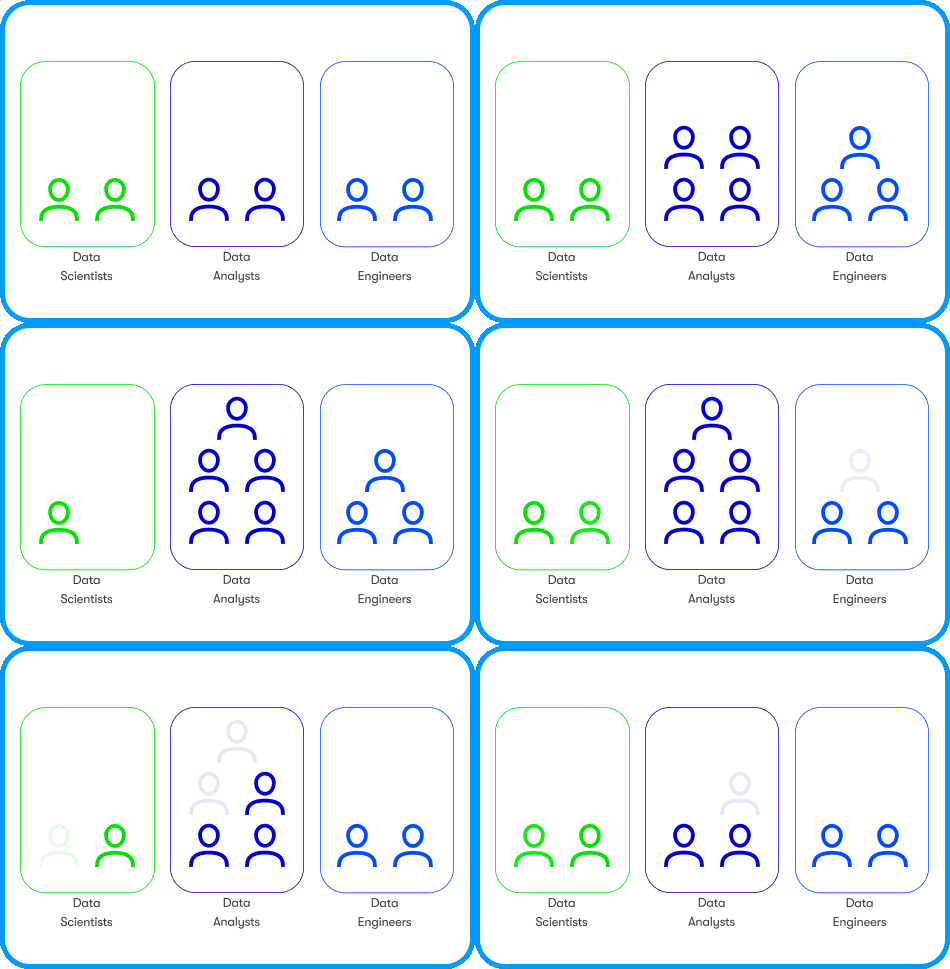
We provide access to highly qualified experts exactly when you need them. Data Scientists develop predictive models that forecast sales, while data engineers ensure infrastructure optimization – we match the team composition to current projects and challenges. Without unnecessary delays, recruitment or maintenance costs of unused skills. Your data team is always ready for change.
Discover our clients’ success stories

We helped Celsium build a data warehouse that reduced costs by PLN 180,000 per year
We integrated data from meters, SCADA, billing, and weather systems into a single data warehouse on Google Cloud Platform. We created advanced ETL processes, data quality control mechanisms, and dashboards in Tableau to support daily analysis of heat production and consumption.
The result? Meter failures detected in one day (previously one month), operational data updated three times a day, and significant savings thanks to heat source optimization and better demand balancing.

We built a modern data warehouse in GCP for PŚO
We helped Polski Światłowód Otwarty design and implement a scalable Data Lake architecture on Google Cloud Platform. We integrated 13 data sources, created automated ELT processes, access security, and a data model that serves as a single source of truth within the organization.
The result? Independence in reporting, rapid integration of new systems, readiness for future needs, and cost savings by eliminating on-premise infrastructure.
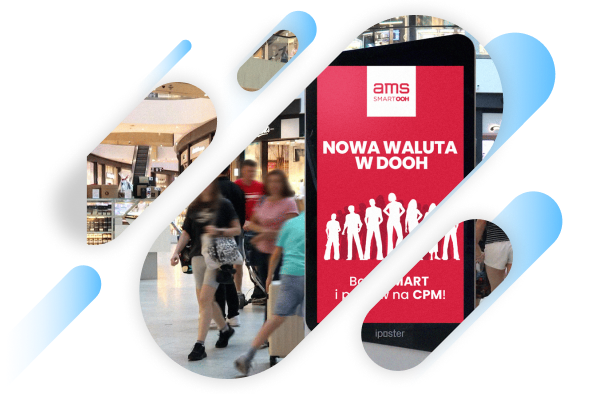
We helped AMS leverage data from DOOH media and maintain its position as a leader in outdoor advertising
We built a modern data ecosystem for AMS, a leader in OOH and DOOH advertising. We combined data from media, internal systems, Proxi.cloud, and CitiesAI to create a unified data warehouse in BigQuery with near real-time analysis.
The result? Data-driven targeting, campaign automation, better results for customers, and a stronger market position thanks to programmatic buying based on actual reach.

We helped Tutlo automate data integration and build a modern real-time ETL
In collaboration with the Tutlo team, we designed and implemented a data integration architecture based on serverless Google Cloud components. The system enables data synchronization from dozens of sources—including CRM—with full monitoring, CI/CD automation, and readiness for further scalability.
The result? A stable and flexible data ecosystem, ready for process automation, ML projects, and dynamic development of the educational platform.

We helped FunCraft forecast ROI and optimize UA budgets in the mobile gaming industry
We implemented a comprehensive BI solution for an American game studio, integrating data from Adjust, stores, and advertising platforms into the BigQuery warehouse. We built advanced dashboards in Looker Studio and predictive ROI models that enable accurate budget decisions—even with a long return on investment cycle.
The result? The FunCraft marketing team works faster, more efficiently, and with full control over their data.

Your data holds great potential. Ask us how to make the most of it
Why should choose Alterdata?
We combine expert experience, extensive technical knowledge, and a flexible approach to collaboration to create data solutions that are truly tailored to your organization’s needs.
Comprehensive End-to-End Implementation
We manage the entire process: from consulting and technology selection, through data warehouse construction, to the development, maintenance, and optimization of solutions. This ensures that our clients receive consistent support at every stage of their data-related work, without having to coordinate multiple independent vendors.
Data Expert Team
We bring together the expertise of data engineers, analysts, data scientists, IT architects, and business consultants to address both technological and business needs. Our team helps translate an organization’s goals into concrete solutions that effectively support decision-making and business growth.
Technology Neutrality
We choose tools based on the goal, not the other way around. We work with popular cloud and analytics technologies, including Google Cloud, Azure, AWS, Snowflake, Databricks, Power BI, Tableau, and Looker. Thanks to our extensive knowledge of these tools, we recommend the solutions best suited to the client’s situation, rather than pushing a single technology.
Flexible Model of Collaboration
We offer support exactly when you need it, ranging from individual specialists to a Data Team as a Service model, without the need to build a full in-house team. This allows you to quickly expand your organization’s capabilities and leverage expert knowledge in a way that aligns with your current needs.
Business-Specific Solutions
We design services and architecture tailored to specific requirements, budgets, industries, company sizes, and business objectives. We treat each implementation as a unique case to ensure that the technology supports the processes, workflows, and priorities of the organization in question.
Secure Architecture
We create scalable, secure solutions designed to support organizational growth, handle increasing data volumes, and facilitate migration to modern cloud environments. We ensure access control, stability, and scalability so that the data platform can grow alongside your business.
Tech stack: the foundation of
our work
Discover the tools and technologies that power the solutions created by Alterdata.

Google Cloud Storage enables data storage in the cloud and provides high performance, offering flexible management of large datasets. It ensures easy data access and supports advanced analytics.

Azure Data Lake Storage is a service for storing and analyzing structured and unstructured data in the cloud, created by Microsoft. Data Lake Storage is scalable and supports various data formats.

Amazon S3 is a cloud service for securely storing data with virtually unlimited scalability. It is efficient, ensures consistency, and provides easy access to data.

Databricks is a cloud-based analytics platform that combines data engineering, data analysis, machine learning, and predictive models. It processes large datasets with high efficiency.

Microsoft Fabric is an integrated analytics environment that combines various tools such as Power BI, Data Factory, and Synapse. The platform supports the entire data lifecycle, including integration, processing, analysis, and visualization of results.

Google BigLake is a service that combines the features of both data warehouses and data lakes, making it easier to manage data in various formats and locations. It also allows processing large datasets without the need to move them between systems.

Google Cloud Dataflow is a data processing service based on Apache Beam. It supports distributed data processing in real-time and advanced analytics.

Azure Data Factory is a cloud-based data integration service that automates data flows and orchestrates processing tasks. It enables seamless integration of data from both cloud and on-premises sources for processing within a single environment.

Apache Kafka processes real-time data streams and supports the management of large volumes of data from various sources. It enables the analysis of events immediately after they occur.

Pub/Sub is used for messaging between applications, real-time data stream processing, analysis, and message queue creation. It integrates well with microservices and event-driven architectures (EDA).

Google Cloud Run supports containerized applications in a scalable and automated way, optimizing costs and resources. It allows flexible and efficient management of cloud applications, reducing the workload.

Azure Functions is another serverless solution that runs code in response to events, eliminating the need for server management. Its other advantages include the ability to automate processes and integrate various services.

AWS Lambda is an event-driven, serverless Function as a Service (FaaS) that enables automatic execution of code in response to events. It allows running applications without server infrastructure.

Azure App Service is a cloud platform used for running web and mobile applications. It offers automatic resource scaling and integration with DevOps tools (e.g., GitHub, Azure DevOps).

Snowflake is a platform that enables the storage, processing, and analysis of large datasets in the cloud. It is easily scalable, efficient, and ensures consistency as well as easy access to data.

Amazon Redshift is a cloud data warehouse that enables fast processing and analysis of large datasets. Redshift also offers the creation of complex analyses and real-time data reporting.

BigQuery is a scalable data analysis platform from Google Cloud. It enables fast processing of large datasets, analytics, and advanced reporting. It simplifies data access through integration with various data sources.

Azure Synapse Analytics is a platform that combines data warehousing, big data processing, and real-time analytics. It enables complex analyses on large volumes of data.

Data Build Tool simplifies data transformation and modeling directly in databases. It allows creating complex structures, automating processes, and managing data models in SQL.

Dataform is part of the Google Cloud Platform, automating data transformation in BigQuery using SQL query language. It supports serverless data stream orchestration and enables collaborative work with data.

Pandas is a data structure and analytical tool library in Python. It is useful for data manipulation and analysis. Pandas is used particularly in statistics and machine learning.

PySpark is an API for Apache Spark that allows processing large amounts of data in a distributed environment, in real-time. This tool is easy to use and versatile in its functionality.

Looker Studio is a tool used for exploring and advanced data visualization from various sources, in the form of clear reports, charts, and interactive dashboards. It facilitates data sharing and supports simultaneous collaboration among multiple users, without the need for coding.

Tableau, an application from Salesforce, is a versatile tool for data analysis and visualization, ideal for those seeking intuitive solutions. It is valued for its visualizations of spatial and geographical data, quick trend identification, and data analysis accuracy.

Power BI, Microsoft’s Business Intelligence platform, efficiently transforms large volumes of data into clear, interactive dashboards and accessible reports. It easily integrates with various data sources and monitors KPIs in real-time.
Looker is a cloud-based Business Intelligence and data analytics platform that enables data exploration, sharing, and visualization while supporting decision-making processes. Looker also leverages machine learning to automate processes and generate predictions.

Terraform is an open-source tool that allows for infrastructure management as code, as well as the automatic creation and updating of cloud resources. It supports efficient infrastructure control, minimizes the risk of errors, and ensures transparency and repeatability of processes.

GCP Workflows automates workflows in the cloud and simplifies the management of processes connecting Google Cloud services. This tool saves time by avoiding the duplication of tasks, improves work quality by eliminating errors, and enables efficient resource management.

Apache Airflow manages workflows, enabling scheduling, monitoring, and automation of ETL processes and other analytical tasks. It also provides access to the status of completed and ongoing tasks, as well as insights into their execution logs.

Rundeck is an open-source automation tool that enables scheduling, managing, and executing tasks on servers. It allows for quick response to events and supports the optimization of administrative tasks.

Python is a programming language, also used for machine learning, with libraries dedicated to machine learning (e.g., TensorFlow and scikit-learn). It is used for creating and testing machine learning models.

BigQuery ML allows the creation of machine learning models directly within Google’s data warehouse using only SQL. It provides a fast time-to-market, is cost-effective, and enables rapid iterative work.

R is a programming language primarily used for statistical calculations, data analysis, and visualization, but it also has modules for training and testing machine learning models. It enables rapid prototyping and deployment of machine learning.

Vertex AI is used for deploying, testing, and managing machine learning models. It also includes pre-built models prepared and trained by Google, such as Gemini. Vertex AI also supports custom models from TensorFlow, PyTorch, and other popular frameworks.
FAQ
What is Managed Data Services and how does it work?

Managed Data Services is a comprehensive offering in which a dedicated external team manages the entire data infrastructure of your company. This includes data integration, automated processing, data quality monitoring, data warehousing and analytics. The service ensures reliable, scalable and cost-efficient data operations without the need to build an internal data team.
What are the main benefits of outsourcing data management?
Outsourcing data management helps reduce operational costs, speed up delivery, improve data reliability and provide access to experienced data engineers, analysts and cloud specialists. It enables organizations to make faster, data-driven decisions while focusing on their core product instead of maintaining data infrastructure.
What is included in Alterdata’s Managed Data Services?
Managed Data Services includes: design, development and maintenance of data warehouses or lakehouse architectures, building and monitoring ETL/ELT pipelines, data integration across systems, automation of business data processes, maintenance of BI dashboards and analytical reports, data quality and anomaly monitoring, performance and cost optimization of data environments, ongoing analytics and on-demand support.
Who is Managed Data Services designed for?
Managed Data Services is ideal for companies that need reliable, production-ready data infrastructure but do not want to build a full in-house data team. It works particularly well for digital product companies, SaaS, e-commerce, fintech and retail — any organization that relies on data for operational or strategic decisions.
Is Managed Data Services better than building an internal data team?
In many cases, yes. Managed Data Services is often faster to implement, reduces hiring risk, lowers costs and gives you access to high-level expertise. It offers predictable monthly pricing, clear SLAs, continuous support and full scalability — without the overhead associated with an internal team.
Can I keep my existing BI tools or data warehouse?
Yes. Managed Data Services is compatible with all major platforms, including BigQuery, Snowflake, Redshift, Databricks, PostgreSQL, Power BI, Tableau, Looker and Metabase. Alterdata can take over your existing environment or support migration to the cloud.
Is Managed Data Services secure?
Yes — Managed Data Services follows industry best practices around data security, including encryption, access control, environment separation, audits and continuous monitoring. We operate within your cloud environment or configure resources to meet compliance standards such as GDPR or ISO.
What does the onboarding process for Managed Data Services look like?
The onboarding process typically includes:
1. an audit of your existing data environment,
2. stabilization and cleanup of current processes,
3. creating a roadmap for data infrastructure and analytics,
4. operational takeover (DataOps),
5. continuous development and optimization.
Managed Data Services is fully adaptable to your business needs.
How much does Managed Data Services cost?
Managed Data Services is priced based on scope, environment size and the required level of ongoing support. It typically uses a predictable monthly subscription model, often much more cost-effective than hiring a full in-house data team. A custom quote is provided after a short consultation.
How quickly can Managed Data Services start delivering value?
After signing the agreement, onboarding usually starts within a few days. First improvements in data pipelines or dashboards are often delivered within the first weeks.