






AI Agents,
your organization
on autopilot
Go beyond simple chatbots. We build intelligent agents that autonomously analyze information, integrate disparate systems, and perform business tasks in real time.
Let’s talk
We empower leaders:









Challenges solved
by AI Agents
Eliminating Information SilosTraditional systems simply process data. AI Agents do the work, eliminating bottlenecks in processes that previously required hundreds of hours of manual analysis. Thanks to their autonomous understanding of context, our Agents not only interpret information but also make decisions independently and execute tasks directly within your systems.

Eliminating information silos
The agent searches SQL databases, PDFs, and emails simultaneously, combining the facts into a single logical answer. This way, your team doesn’t waste time manually switching between systems.
Security and Compliance
We ensure full control: Our agents review 100% of the documentation, instantly flagging errors and legal loopholes. This completely eliminates the risk of overlooking key provisions in large volumes of data.
Eliminating operational paralysis
As frontline experts, agents analyze maps and diagrams, providing support to field engineers in a matter of seconds. This reduces downtime and enables immediate on-site resolution of malfunctions.
Automatic coordination and execution
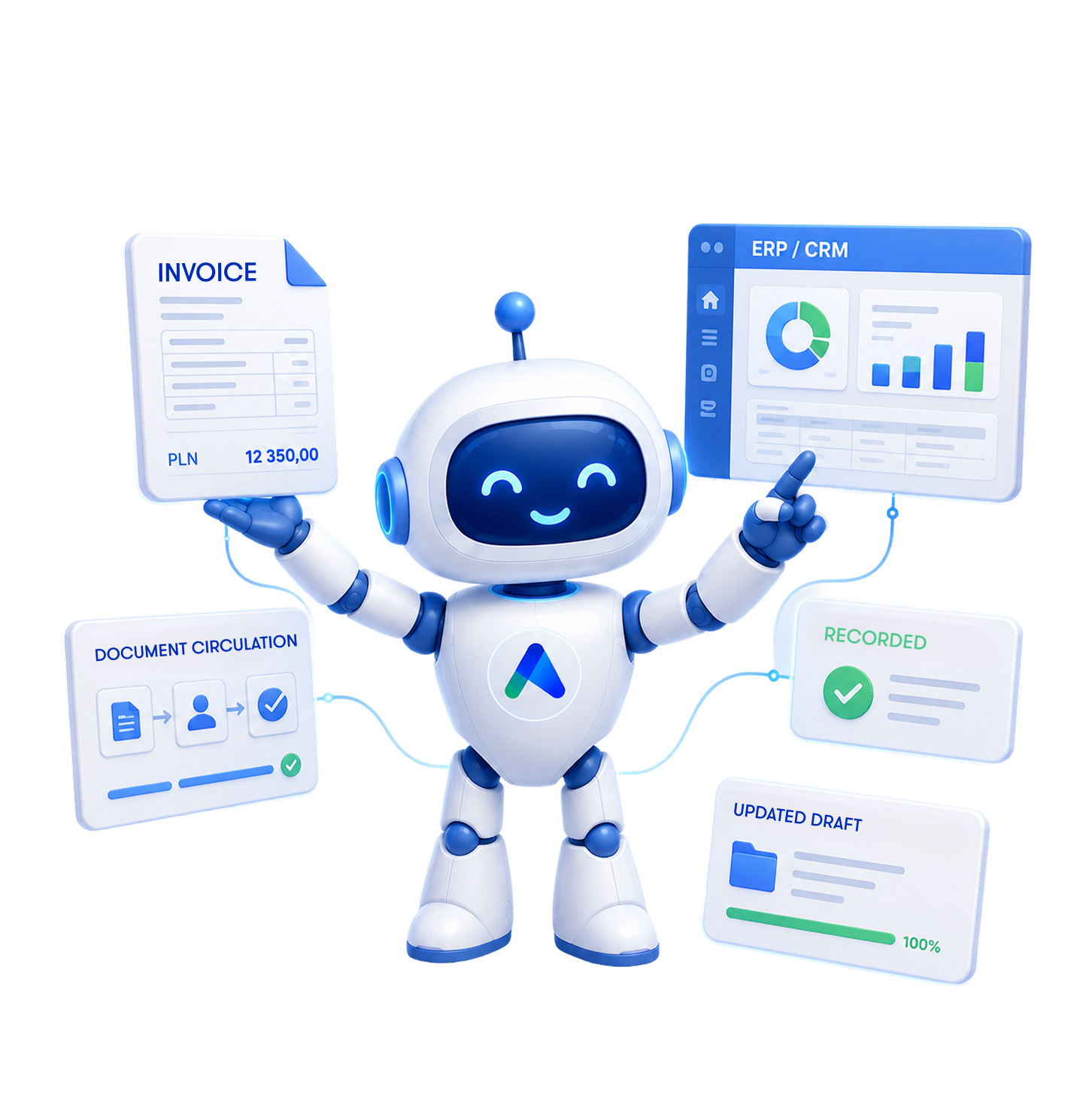
The agent not only reads data but also performs physical actions: it posts invoices in the ERP system and updates statuses in the CRM. This transforms a static analysis into a dynamic and fully automated workflow.
Free consultation with an AI solutions expert
Discuss your company’s challenges
Choose your
digital AI expert
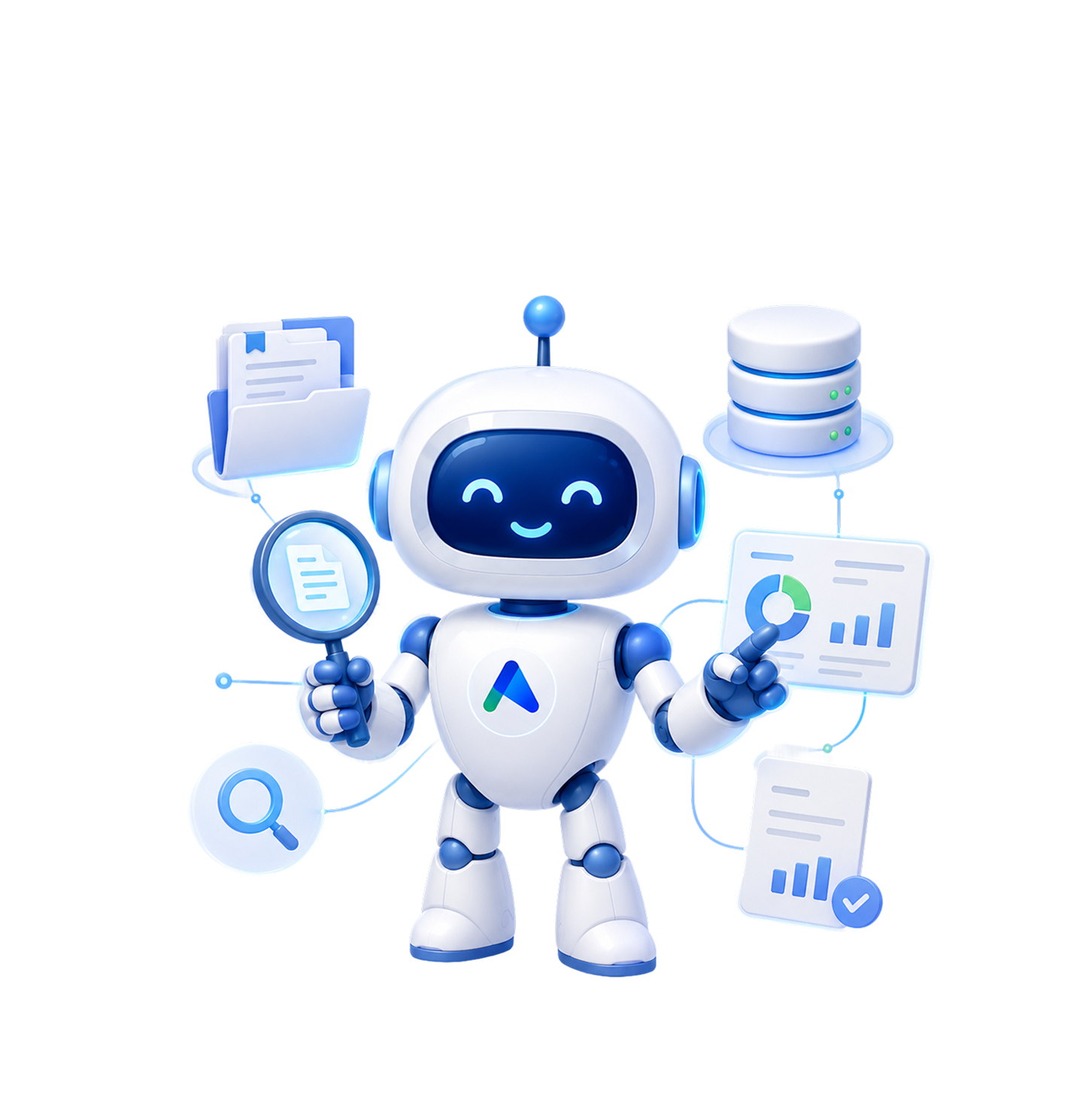
Data Hub Agent
Data Hub Agent
- Goal: Physically searching through multiple databases and technical documentation.
- Result: It solves the problem of scattered knowledge by providing management with answers in seconds.
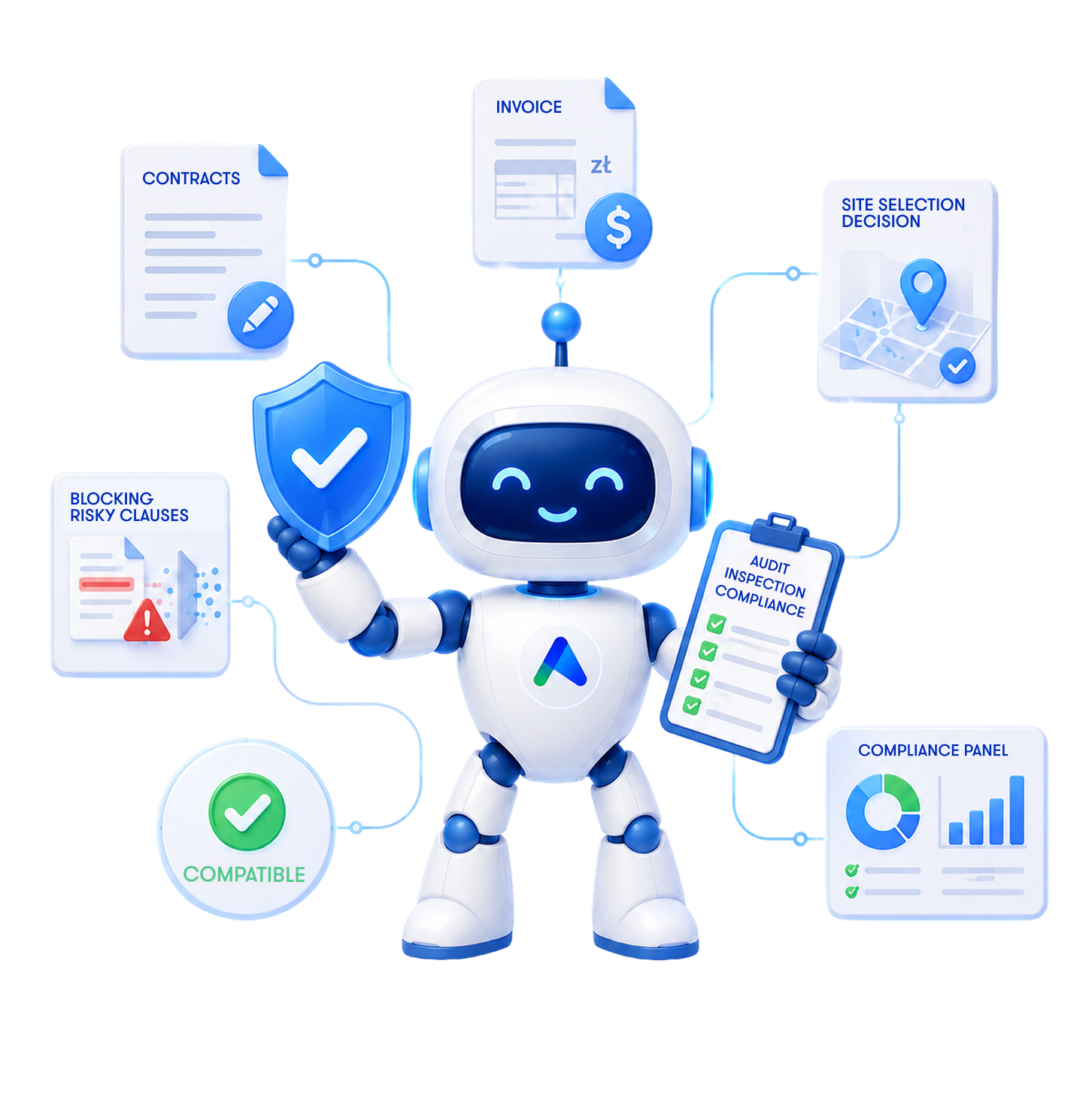
Audit Agent
Audit Agent
- Goal: Continuous review of every new contract, invoice, or location decision.
- Result: Prevents errors and risky entries from being committed, ensuring 100% compliance with procedures.
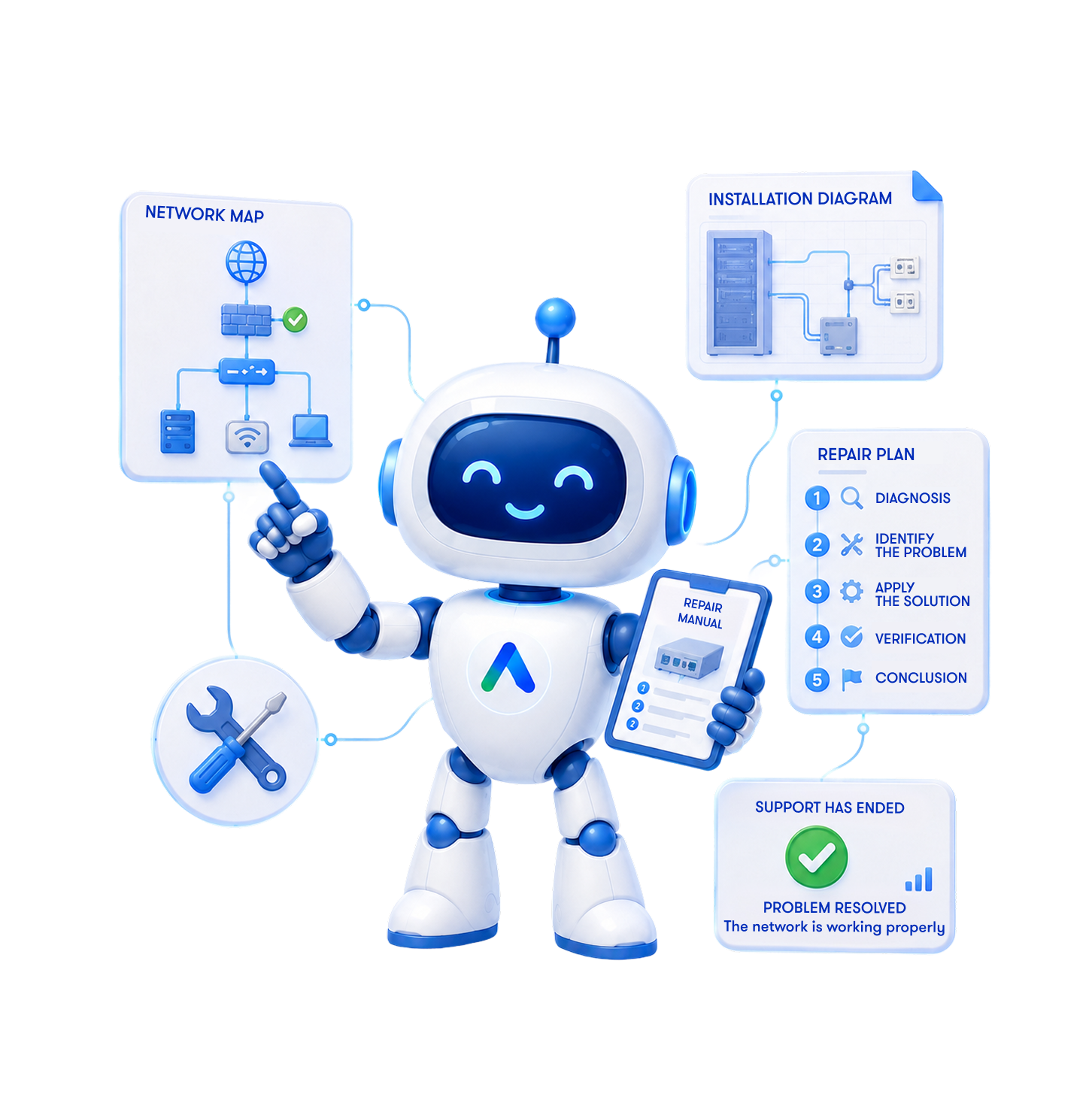
Field Support Agent
Field Support Agent
- Goal: Interpreting network maps, installation diagrams, and complex instructions.
- Result: Guides the engineer step by step through the repair, eliminating the need for hours of consultation with headquarters.
Operational Agent
Operational Agent
- Goal: Independently integrate data from documents with the company’s operational systems.
- Result: It posts invoices and updates projects in ERP/CRM systems, freeing up time for operational departments.
Hire AI Agents for Your Organization
Contact usSecurity and Architecture
Implementing AI Agents in a large organization requires a foundation you can trust.
We leverage the power of Google Cloud to ensure complete isolation of your intellectual property.
Privacy of Your Data (VPC)
All processing takes place within your Virtual Private Cloud. Your data never leaves your company’s secure infrastructure.
Lack of training for public models
We guarantee that your documents and queries are not used to train the public versions of the Gemini or Vertex AI models.
Comprehensive Data Governance
You retain full control over permissions and access to information, in accordance with GDPR standards and IT security audits.
Vertex AI Integration
We use the most secure AI platform on the market, which allows us to scale our solutions seamlessly from a single department to an entire corporation.

See how we build secure AI solutions
Contact usYou choose the experts
We serve as a bridge between Google’s raw computing power and real-world business processes. As a Google Cloud Partner, we don’t just provide technology, we design it to drive your bottom line.
▪️ Data experts: First, we organize your architecture so that AI operates on clean and reliable data.
▪️ Validation loop: We implement oversight mechanisms that allow your experts to easily verify the AI’s work, eliminating errors.
▪️ Cost transparency: We optimize the use of models on the Vertex AI platform so that you only pay for the work actually performed by the Agents.
Discover our clients’ success stories
We helped Celsium build a data warehouse that reduced costs by PLN 180,000 per year
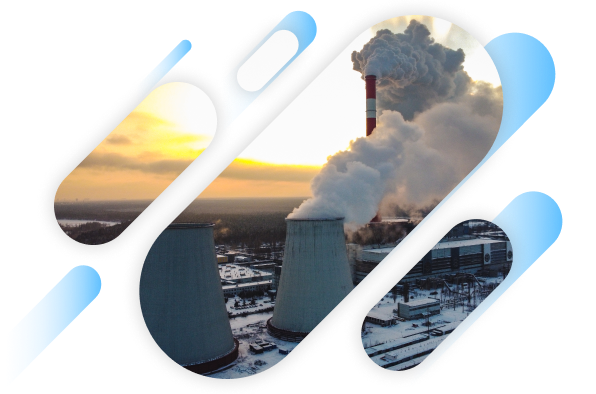
We integrated data from meters, SCADA, billing, and weather systems into a single data warehouse on Google Cloud Platform. We created advanced ETL processes, data quality control mechanisms, and dashboards in Tableau to support daily analysis of heat production and consumption.
The result? Meter failures detected in one day (previously one month), operational data updated three times a day, and significant savings thanks to heat source optimization and better demand balancing.
We built a modern data warehouse in GCP for PŚO
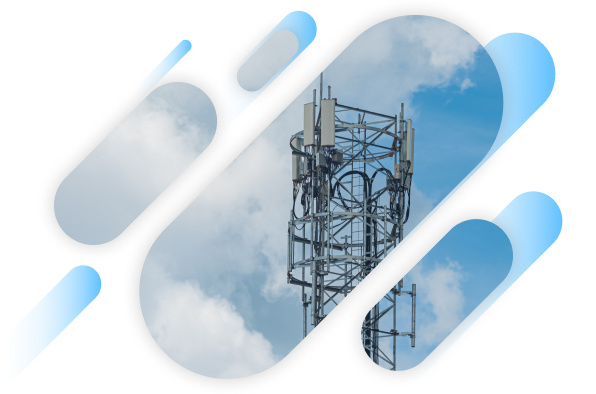
We helped Polski Światłowód Otwarty design and implement a scalable Data Lake architecture on Google Cloud Platform. We integrated 13 data sources, created automated ELT processes, access security, and a data model that serves as a single source of truth within the organization.
The result? Independence in reporting, rapid integration of new systems, readiness for future needs, and cost savings by eliminating on-premise infrastructure.
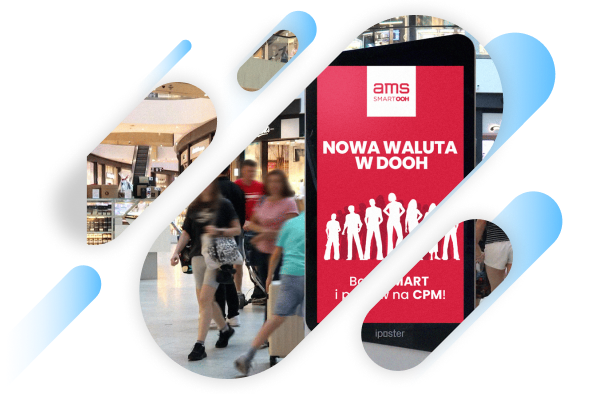
We helped AMS leverage data from DOOH media and maintain its position as a leader in outdoor advertising
We built a modern data ecosystem for AMS, a leader in OOH and DOOH advertising. We combined data from media, internal systems, Proxi.cloud, and CitiesAI to create a unified data warehouse in BigQuery with near real-time analysis.
The result? Data-driven targeting, campaign automation, better results for customers, and a stronger market position thanks to programmatic buying based on actual reach.

We helped Tutlo automate data integration and build a modern real-time ETL
In collaboration with the Tutlo team, we designed and implemented a data integration architecture based on serverless Google Cloud components. The system enables data synchronization from dozens of sources—including CRM—with full monitoring, CI/CD automation, and readiness for further scalability.
The result? A stable and flexible data ecosystem, ready for process automation, ML projects, and dynamic development of the educational platform.

We helped FunCraft forecast ROI and optimize UA budgets in the mobile gaming industry
We implemented a comprehensive BI solution for an American game studio, integrating data from Adjust, stores, and advertising platforms into the BigQuery warehouse. We built advanced dashboards in Looker Studio and predictive ROI models that enable accurate budget decisions—even with a long return on investment cycle.
The result? The FunCraft marketing team works faster, more efficiently, and with full control over their data.

Your data holds great potential. Ask us how to make the most of it
Is your infrastructure
ready for AI agents?
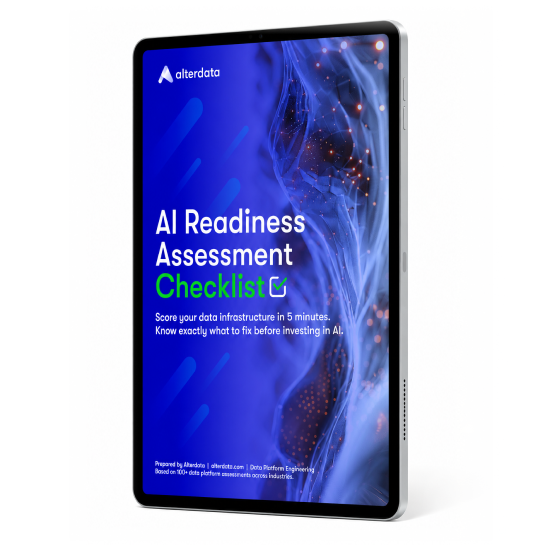
Download our checklist
Find out what you need to fix before investing in AI solutions to avoid costly mistakes.
Quick audit of 10 key areas: You’ll be able to check everything from data integration and ETL pipeline maturity to security and readiness for ML models.
A personalized interpretation of your results: You’ll find out whether you’re still laying the groundwork or if your organization is already ready to implement advanced AI Agents.
Why should choose Alterdata?
We combine expert experience, extensive technical knowledge, and a flexible approach to collaboration to create data solutions that are truly tailored to your organization’s needs.
Comprehensive End-to-End Implementation
We manage the entire process: from consulting and technology selection, through data warehouse construction, to the development, maintenance, and optimization of solutions. This ensures that our clients receive consistent support at every stage of their data-related work, without having to coordinate multiple independent vendors.
Data Expert Team
We bring together the expertise of data engineers, analysts, data scientists, IT architects, and business consultants to address both technological and business needs. Our team helps translate an organization’s goals into concrete solutions that effectively support decision-making and business growth.
Technology Neutrality
We choose tools based on the goal, not the other way around. We work with popular cloud and analytics technologies, including Google Cloud, Azure, AWS, Snowflake, Databricks, Power BI, Tableau, and Looker. Thanks to our extensive knowledge of these tools, we recommend the solutions best suited to the client’s situation, rather than pushing a single technology.
Flexible Model of Collaboration
We offer support exactly when you need it, ranging from individual specialists to a Data Team as a Service model, without the need to build a full in-house team. This allows you to quickly expand your organization’s capabilities and leverage expert knowledge in a way that aligns with your current needs.
Business-Specific Solutions
We design services and architecture tailored to specific requirements, budgets, industries, company sizes, and business objectives. We treat each implementation as a unique case to ensure that the technology supports the processes, workflows, and priorities of the organization in question.
Secure Architecture
We create scalable, secure solutions designed to support organizational growth, handle increasing data volumes, and facilitate migration to modern cloud environments. We ensure access control, stability, and scalability so that the data platform can grow alongside your business.
Tech stack: the foundation of
our work
Discover the tools and technologies that power the solutions created by Alterdata.

Google Cloud Storage enables data storage in the cloud and provides high performance, offering flexible management of large datasets. It ensures easy data access and supports advanced analytics.

Azure Data Lake Storage is a service for storing and analyzing structured and unstructured data in the cloud, created by Microsoft. Data Lake Storage is scalable and supports various data formats.

Amazon S3 is a cloud service for securely storing data with virtually unlimited scalability. It is efficient, ensures consistency, and provides easy access to data.

Databricks is a cloud-based analytics platform that combines data engineering, data analysis, machine learning, and predictive models. It processes large datasets with high efficiency.

Microsoft Fabric is an integrated analytics environment that combines various tools such as Power BI, Data Factory, and Synapse. The platform supports the entire data lifecycle, including integration, processing, analysis, and visualization of results.

Google BigLake is a service that combines the features of both data warehouses and data lakes, making it easier to manage data in various formats and locations. It also allows processing large datasets without the need to move them between systems.

Google Cloud Dataflow is a data processing service based on Apache Beam. It supports distributed data processing in real-time and advanced analytics.

Azure Data Factory is a cloud-based data integration service that automates data flows and orchestrates processing tasks. It enables seamless integration of data from both cloud and on-premises sources for processing within a single environment.

Apache Kafka processes real-time data streams and supports the management of large volumes of data from various sources. It enables the analysis of events immediately after they occur.

Pub/Sub is used for messaging between applications, real-time data stream processing, analysis, and message queue creation. It integrates well with microservices and event-driven architectures (EDA).

Google Cloud Run supports containerized applications in a scalable and automated way, optimizing costs and resources. It allows flexible and efficient management of cloud applications, reducing the workload.

Azure Functions is another serverless solution that runs code in response to events, eliminating the need for server management. Its other advantages include the ability to automate processes and integrate various services.

AWS Lambda is an event-driven, serverless Function as a Service (FaaS) that enables automatic execution of code in response to events. It allows running applications without server infrastructure.

Azure App Service is a cloud platform used for running web and mobile applications. It offers automatic resource scaling and integration with DevOps tools (e.g., GitHub, Azure DevOps).

Snowflake is a platform that enables the storage, processing, and analysis of large datasets in the cloud. It is easily scalable, efficient, and ensures consistency as well as easy access to data.

Amazon Redshift is a cloud data warehouse that enables fast processing and analysis of large datasets. Redshift also offers the creation of complex analyses and real-time data reporting.

BigQuery is a scalable data analysis platform from Google Cloud. It enables fast processing of large datasets, analytics, and advanced reporting. It simplifies data access through integration with various data sources.

Azure Synapse Analytics is a platform that combines data warehousing, big data processing, and real-time analytics. It enables complex analyses on large volumes of data.

Data Build Tool simplifies data transformation and modeling directly in databases. It allows creating complex structures, automating processes, and managing data models in SQL.

Dataform is part of the Google Cloud Platform, automating data transformation in BigQuery using SQL query language. It supports serverless data stream orchestration and enables collaborative work with data.

Pandas is a data structure and analytical tool library in Python. It is useful for data manipulation and analysis. Pandas is used particularly in statistics and machine learning.

PySpark is an API for Apache Spark that allows processing large amounts of data in a distributed environment, in real-time. This tool is easy to use and versatile in its functionality.

Looker Studio is a tool used for exploring and advanced data visualization from various sources, in the form of clear reports, charts, and interactive dashboards. It facilitates data sharing and supports simultaneous collaboration among multiple users, without the need for coding.

Tableau, an application from Salesforce, is a versatile tool for data analysis and visualization, ideal for those seeking intuitive solutions. It is valued for its visualizations of spatial and geographical data, quick trend identification, and data analysis accuracy.

Power BI, Microsoft’s Business Intelligence platform, efficiently transforms large volumes of data into clear, interactive dashboards and accessible reports. It easily integrates with various data sources and monitors KPIs in real-time.
Looker is a cloud-based Business Intelligence and data analytics platform that enables data exploration, sharing, and visualization while supporting decision-making processes. Looker also leverages machine learning to automate processes and generate predictions.

Terraform is an open-source tool that allows for infrastructure management as code, as well as the automatic creation and updating of cloud resources. It supports efficient infrastructure control, minimizes the risk of errors, and ensures transparency and repeatability of processes.

GCP Workflows automates workflows in the cloud and simplifies the management of processes connecting Google Cloud services. This tool saves time by avoiding the duplication of tasks, improves work quality by eliminating errors, and enables efficient resource management.

Apache Airflow manages workflows, enabling scheduling, monitoring, and automation of ETL processes and other analytical tasks. It also provides access to the status of completed and ongoing tasks, as well as insights into their execution logs.

Rundeck is an open-source automation tool that enables scheduling, managing, and executing tasks on servers. It allows for quick response to events and supports the optimization of administrative tasks.

Python is a programming language, also used for machine learning, with libraries dedicated to machine learning (e.g., TensorFlow and scikit-learn). It is used for creating and testing machine learning models.

BigQuery ML allows the creation of machine learning models directly within Google’s data warehouse using only SQL. It provides a fast time-to-market, is cost-effective, and enables rapid iterative work.

R is a programming language primarily used for statistical calculations, data analysis, and visualization, but it also has modules for training and testing machine learning models. It enables rapid prototyping and deployment of machine learning.

Vertex AI is used for deploying, testing, and managing machine learning models. It also includes pre-built models prepared and trained by Google, such as Gemini. Vertex AI also supports custom models from TensorFlow, PyTorch, and other popular frameworks.
FAQ
Is the implementation of AI agents safe for company data?

Yes. By building solutions based on Google Cloud Platform (GCP) infrastructure, we guarantee complete data isolation. Your data is processed within your project, is not used to train public AI models, and is subject to the highest data governance standards and GDPR requirements.
How can you avoid so-called “AI hallucinations” in business processes?
At Alterdata, we use RAG (Retrieval-Augmented Generation) architecture and proprietary validation loops. As a result, the AI Agent does not “make up” answers, but operates exclusively on the verified knowledge sources provided to it (databases, PDF files, emails). Each result can be further verified by a human as part of a human-in-the-loop process.
What models are the AI Agents from Alterdata based on?
We utilize the most advanced models available on the Vertex AI platform, including the Gemini family of models. We tailor the technology to the specific task at hand, ranging from fast classification models to advanced reasoning engines for analyzing multi-page technical and legal documents.
How long does it take to implement the first AI Agent (PoC)?
According to our methodology, building a Proof of Concept (PoC) typically takes 4 to 6 weeks. This allows for rapid testing of a selected business case (e.g., contract analysis automation) and an assessment of the actual return on investment (ROI) before fully scaling the system.
Can AI Agents integrate with my current systems (ERP, CRM, SQL)?
Yes, that’s one of their main roles. AI agents are designed as “digital employees” who, via APIs, can physically perform tasks in external systems: from updating statuses in CRM systems and querying SQL databases to generating ready-made reports in spreadsheets.
What is the relationship between Document AI and AI Agent?
Document AI is a powerful foundation for accurately extracting data from documents. The AI Agent is an extension that puts this data to practical use. While Document AI “extracts” information, the Agent can interpret it, combine it with knowledge from other systems, and use it to make specific business decisions, thereby becoming an autonomous component in the process.
Can AI agents process illegible scans or handwritten text?
Yes. Thanks to integration with advanced computer vision models on Google Cloud, our Agents can handle low-quality documents, complex tables, and handwriting. The system not only reads characters but, thanks to LLM technology, understands the context, allowing it to correctly interpret content even where traditional OCR fails.
How does the AI Agent integrate with my current data infrastructure?
AI Agents are designed as “API-first” solutions. This means they can retrieve data directly from your data warehouses (e.g., BigQuery), CRM systems, or cloud storage. After processing the information, the Agent can independently trigger an action in another system—for example, create a ticket in a support system or update a record in an SQL database.
Czy rozwiązanie jest skalowalne przy nagłym wzroście liczby dokumentów?
Absolutnie. Wykorzystanie natywnej infrastruktury Google Cloud pozwala na automatyczne skalowanie mocy obliczeniowej. Niezależnie od tego, czy przetwarzasz 100 czy 100 000 dokumentów dziennie, Agenci AI dostosowują się do obciążenia, zapewniając stałą szybkość procesowania bez konieczności inwestycji we własne serwery.
Do I need a team of data scientists to manage AI agents?
No. Our goal is to provide a ready-to-use, “physical” digital specialist. We design interfaces so that your business staff can oversee the Agent’s work and manage the validation loop without any programming knowledge. We focus on making the technology transparent, while keeping the business impact front and center.